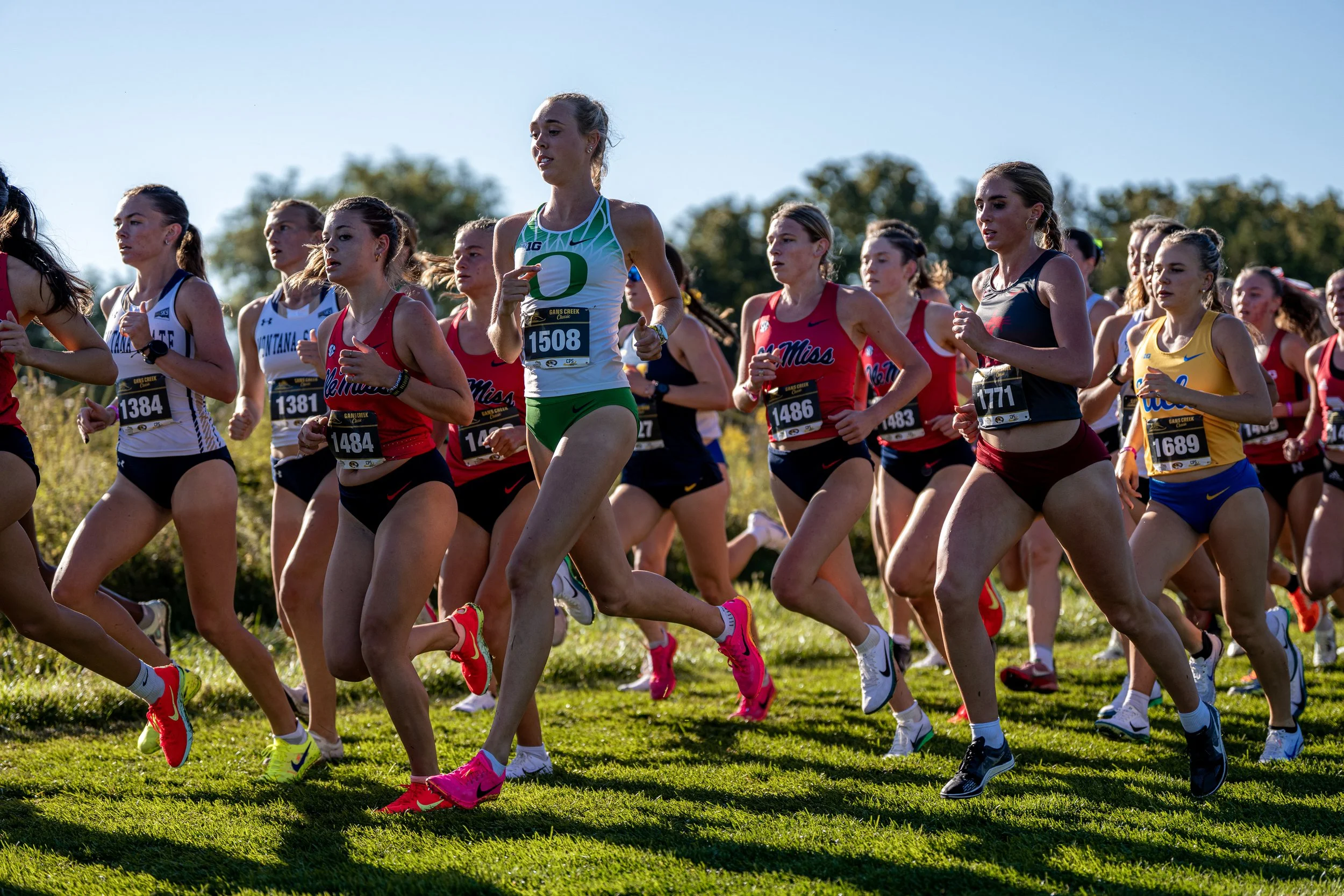
Overview of US College Track & Field and Cross Country Programs
NCAA & NAIA Explained
If you’re an aspiring Track & Field or Cross-Country athlete looking to compete in the U.S, understanding the college athletics system is essential. Two main governing bodies oversee collegiate sports:
NCAA (National Collegiate Athletic Association)
NAIA (National Association of Intercollegiate Athletics)
Both offer competitive opportunities, scholarships, and pathways to national championships, but they differ in size, structure, and culture. The good news is there is a school for you!

The NCAA (National Collegiate Athletic Association) comprises over 1,100 schools split into 3 Divisions:
Div 1 (363 Schools)- This is the highest and most competitive level in the US College system, offering the most Athletic Scholarships. Schools are large with the biggest budgets. Athletes often compete at world class levels.
Div 2 (314 Schools) – Still very competitive but schools tend to have smaller athletic department budgets. Balanced approach between academics and athletics.
Div 3-(438 Schools)- Students can receive non-athletics aid through grants and needs-based scholarships. Emphasis on academics and a well-rounded college experience.This is a frequently asked question?
NAIA (National Association of Intercollegiate Athletics) comprises 250 schools and caters for smaller Athletic Programs.
No separate divisions; all schools compete under one umbrella.
Colleges in the NAIA tend to have a strong focus on student-athlete experience and character development.
Competition Calendar: How Often Do They Compete?
-
Cross Country
Autumn (Fall) season
(August–November) -
Indoor Track & Field
Winter season
(December–March). -
Outdoor Track & Field
Spring season
(March–June).